Contrasting Vision Improvement Alternatives: Refractive Lens Exchange Vs Typical Techniques


Web Content Created By-Hines Puckett
When it comes to correcting vision, individuals often end up considering a variety of possibilities, spanning classic approaches including glasses and lens options to innovative surgical interventions such as lens replacement surgery. This growing solution, known as refractive lens exchange, is aimed at treat different vision issues, including presbyopia, high myopia, and additional refractive issues. As a growing number of patients search for a long-lasting remedy for their vision needs, comprehending the nuances of lens replacement surgery becomes important.
In this comprehensive guide, we will investigate the positive aspects, drawbacks, and post-surgery recovery of the surgical approach, comparing it to older techniques including LASIK surgery and analyzing factors that impact eligibility and expenses. Whether you are curious about the surgical steps, its positive points over conventional treatments, or what to expect during recovery, this piece aims to equip you with all the information you need to choose appropriately about your vision correction journey.
Grasping Options for Lens Replacement
Lens exchange surgery, alternatively called lens replacement, is a modern operation intended to fix eyesight issues by substituting the eye's original lens with an artificial lens. your input here is particularly advantageous for patients with strong optical prescriptions, presbyopia, or other sight issues. The surgery not only strives to boost sight clarity but also lowers the need for glasses or contact lenses, which makes it a popular option for many.
There are multiple kinds of artificial lenses available, permitting for customization based on specific visual requirements. Premium lens options, such as long-range focus lenses or accommodating lens implants, offer significant advantages in achieving a broader range of vision. Being aware of these choices is crucial for patients to make knowledgeable choices about their eye care. Thorough consultations with experienced lens replacement surgeons help ensure that the right choice is compatible with personal preferences and sight needs.
It is vital to consider both the advantages and the possible dangers entailing lens replacement surgery. While the procedure can result in remarkable improvements in vision, there may be issues, like infection or glare, which should be considered during the consultation process. Determining eligibility for the operation and knowing what to anticipate before, during, and after the operation can significantly influence the overall experience and effects of lens replacement options.
Advantages and Risks of Lens Exchange Procedure
Lens replacement surgery offers major benefits for patients seeking corrected vision. One of the key benefits is the chance for improved sight without the reliance on spectacles or contact lenses. Personalized lens replacement techniques can resolve a range of vision issues, including presbyopia and severe prescriptions, offering options like high-quality lens implants that improve focal depth. Many patients notice immediate gains in their visual clarity and clarity after surgery, resulting in a superior overall quality of life.
In spite of the various advantages, it is crucial to consider the potential downsides associated with lens exchange procedure. As with any operation, there may be issues such as infection, hemorrhage, or adverse reactions to the anesthesia. Candidates might also experience short-term symptoms, including vision problems or pain during the healing process. It is vital for candidates to be aware about these potential dangers and discuss them thoroughly with an experienced lens replacement surgeon before proceeding with the operation.
An additional consideration to weigh is the recovery process. While many people see rapid results, the full recovery timeline can differ, with some having discomfort or variations in vision for a short time after the procedure. Understanding the expected recovery time and adhering to the post-operative care is essential to guaranteeing a successful healing experience. By balancing the advantages against the drawbacks and considering personal circumstances, individuals can make educated decisions about whether lens exchange procedure is the appropriate option for them.
Eligibility and Assessment Process
Assessing candidacy for ocular lens surgery involves a thorough assessment by an experienced eye care professional. Ideal candidates often include individuals with vision issues such as myopia, farsightedness, or age-related vision loss who desire a permanent solution for vision correction rather than relying on glasses or contact lenses. Factors such as years, overall eye health, and the presence of conditions like cataracts or weakened corneas can influence eligibility, making it essential for potential candidates to discuss their individual circumstances during the consultation.
The consultation process is vital for understanding individual requirements and expectations. During https://mgyb.co/s/YgrLI , the surgeon will conduct multiple tests to evaluate visual acuity, eye pressure, and the overall health of the eyes. This thorough assessment helps to identify the most suitable lens choices, whether it be accommodating lens implants or premium lenses for enhanced depth of focus. Candidates will also have the chance to ask questions about the surgery, recovery timeline, and possible concerns regarding potential dangers or issues.
In addition to assessing physical suitability, the consultation serves as an excellent chance for candidates to grasp the financial aspects of lens replacement surgery. Discussions may cover the pricing details, financing options available, and whether flexible spending accounts or HSA can be used. This clarity not only helps in making educated decisions but also guarantees that candidates feel well-prepared and secure moving forward with their vision correction journey.
Cost and Funding for Lens Surgery
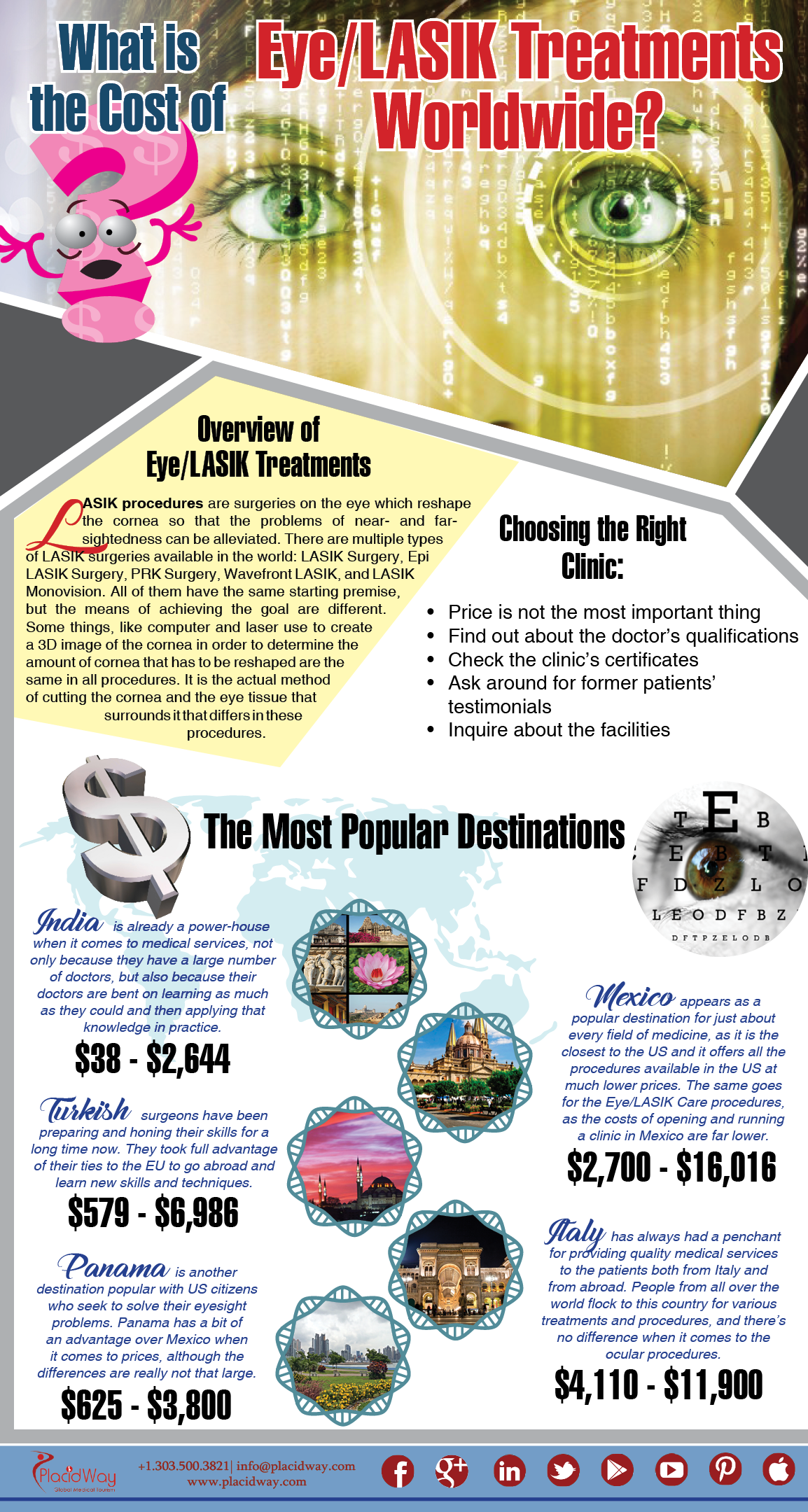
The cost of lens replacement surgery can vary considerably based on several factors, including the surgeon's expertise, the technology used, and the kind of implants chosen. On typically, the total price can range from several thousand USD per eye to more than ten thousand for advanced options like premium implants. It is essential to have a thorough understanding of what is included in the listed cost, such as pre-operative evaluations, post-operative care, and any potential upgrades or additional treatments.
Funding choices are commonly available to make lens replacement more affordable. Many clinics offer installment plans, which can help divide the costs over a manageable time frame. Additionally, some practices may provide financing with minimal to no interest, making it possible for clients to pay for the treatment without significant economic burden. It's recommended to inquire about these options during your first consultation.
Patients should also consider using Health Savings Accounts or FSAs to cover the expenses of lens surgery. These plans allow for tax-free funds to be used for medical expenses, effectively minimizing the overall financial impact. Furthermore, consulting with your tax advisor about potential write-offs related to vision correction treatments could provide additional benefits.